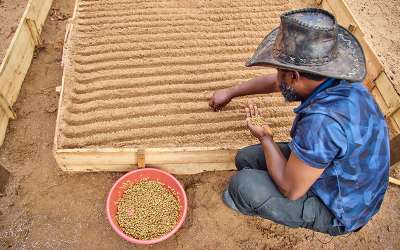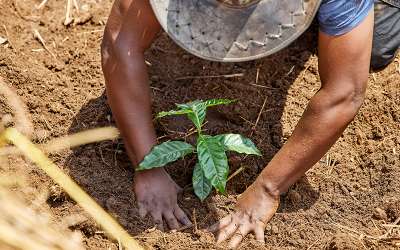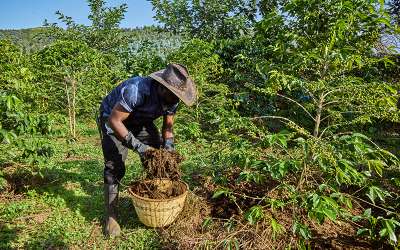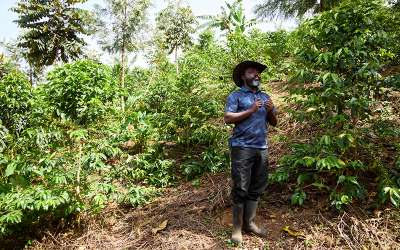
Topic 11: Harvesting and Post-Harvest management
Video
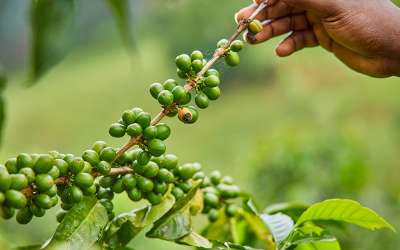
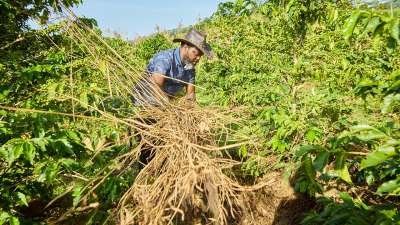
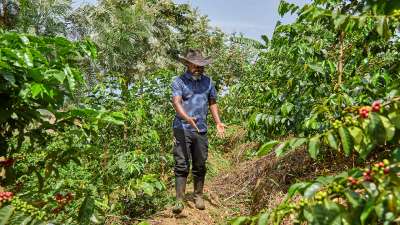
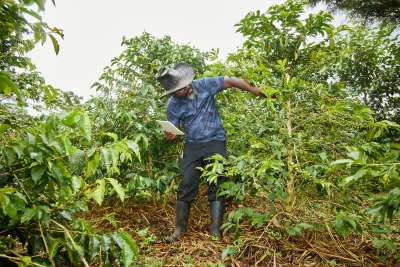
This topic highlights the importance of proper harvesting and post-harvest handling in coffee production. Only red, fully ripe cherries should be picked, as they are easier to process, produce better-quality parchment, and contain higher sugar levels that improve cup flavor. Ripe cherries are also denser and heavier, increasing farmers’ income. Because cherries do not ripen uniformly, harvesting should be done regularly based on climate conditions, and always begin in the morning to ensure same-day delivery to the wet mill.
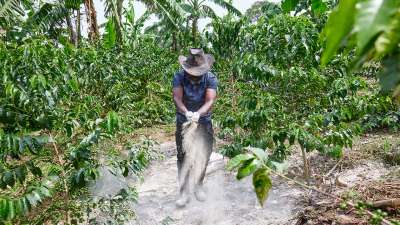
Clean tools and proper handling are essential to maintain quality. Use appropriate containers, plastic sheets to catch falling cherries, and shaded areas for sorting. Good crop hygiene, including removing dried or damaged cherries, helps prevent pests and diseases such as Coffee Berry Borer and Coffee Berry Disease. Careful harvesting and handling maximize both quality and profitability.
Audios
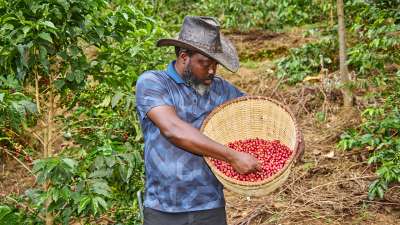
Chapter 2. Harvesting Frequency
Explains picking intervals based on climate and altitude to ensure optimal ripeness.
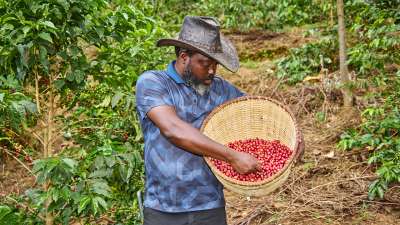
Chapter 1. Introduction
Introduces quality-focused harvesting practices for maximizing returns and cup quality.
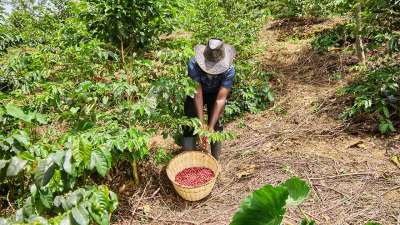
Chapter 3. Equipment for Harvesting
Describes clean tools and materials that preserve cherry quality during picking.
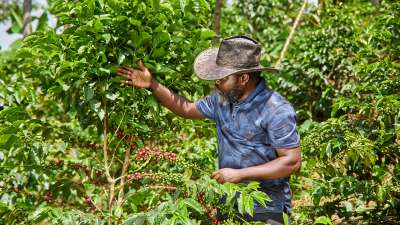
Chapter 4. Practicing Crop Hygiene And Handling Cherries After Harvesting
Explains proper cherry selection, hygiene practices, and timely wet mill delivery to protect qual...

Chapter 5. Conclusion
Summarizes how disciplined harvesting improves quality, income, and farm sustainability.