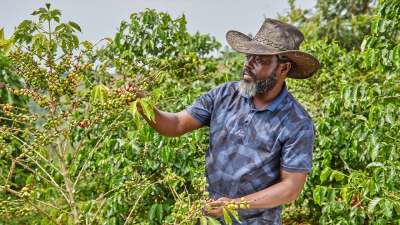
Topic 6: Integrated Pest and Diseases Management
Video
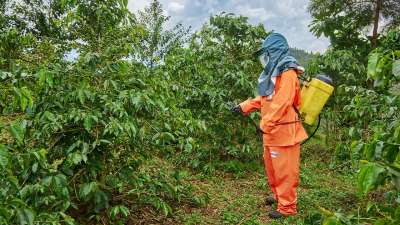
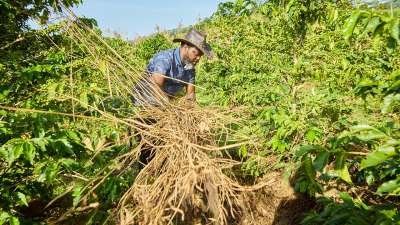
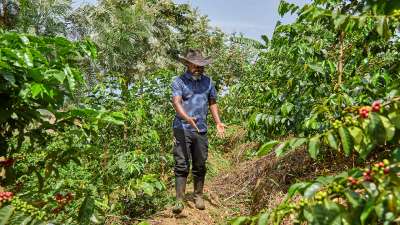
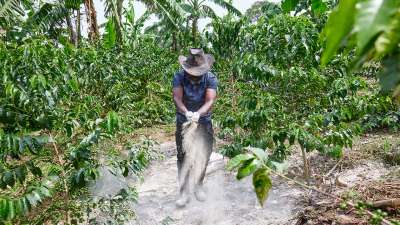
Welcome to this session on Integrated Pest and Disease Management in coffee farming. This module introduces common coffee pests and diseases, as well as beneficial insects that naturally control them. Effective management begins with understanding key pests such as scales, mealy bugs, coffee berry borer, white coffee borer, and Antestia bugs. Control measures emphasize crop hygiene, pruning, rejuvenation, selective spraying when necessary, and avoiding unnecessary pesticide use that harms beneficial insects. Common diseases such as leaf rust and coffee berry disease require balanced nutrition, proper pruning, field sanitation, and regular monitoring to reduce plant stress and limit spread.
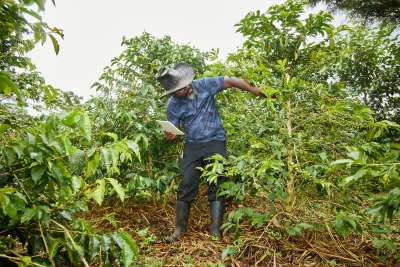
Beneficial insects such as ladybirds, spiders, praying mantis, parasitic wasps, and even chameleons play an important role in natural pest control and should be protected. Regular field scouting is essential to identify pests, diseases, and natural predators early. Farmers should inspect representative trees, record observations, and assess severity before deciding on control measures. Integrated management combines prevention, monitoring, and targeted action to maintain healthy, productive coffee farms while reducing chemical dependence.
Audios
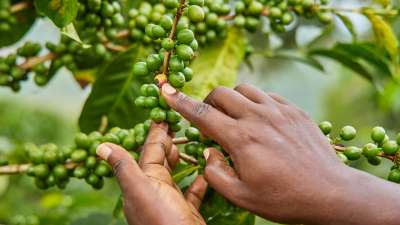
Chapter 1. Introduction
Introduces integrated pest and disease management as a balanced, preventive approach to farm prot...
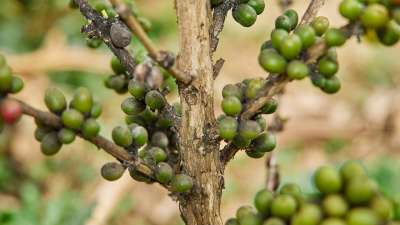
Chapter 2. Major Pests and Control
Describes key coffee pests and practical control strategies combining hygiene, monitoring, and se...
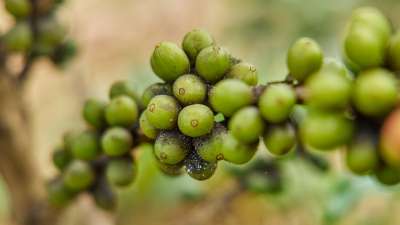
Chapter 3. Major Coffee Diseases
Explains common diseases and preventive agronomic practices to reduce infection and protect yield...
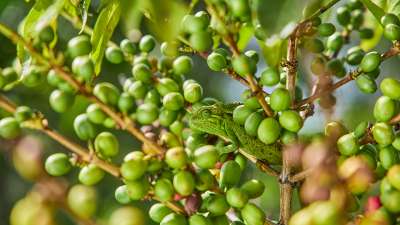
Chapter 4. Beneficial Insects
Highlights natural predators that control pests and reduce reliance on chemical pesticides.
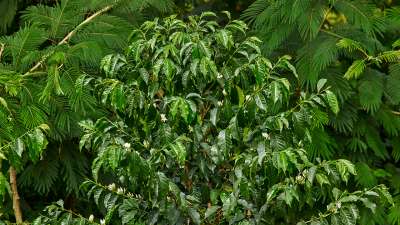
Chapter 5. Scouting Coffee Trees
Explains systematic farm monitoring to detect pests, diseases, and beneficial insects for timely...