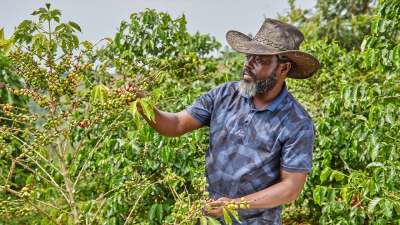
Topic 7: Safe Use of Pesticides
Video
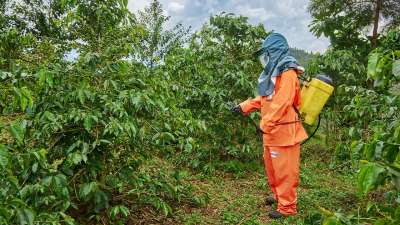
This topic highlights the safe and responsible use of pesticides in coffee farming. Safe pesticide use means applying the correct product, in the right amount and at the right time, while protecting yourself, others, animals, and the environment. Although pesticides can be effective tools, misuse can cause serious health and environmental risks. Farmers must always read and follow label instructions, including toxicity color codes and safety pictograms that explain handling, storage, and environmental precautions. Understanding hazard symbols helps prevent accidental poisoning, skin irritation, contamination of water sources, and harm to beneficial organisms.
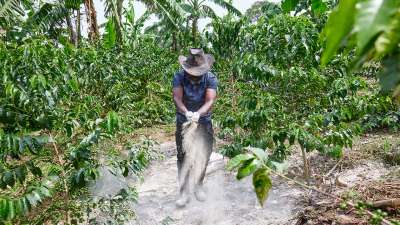
Pesticides can enter the body through breathing, skin contact, or ingestion, making proper protective equipment essential. Farmers should wear boots, gloves, masks, eye protection, and protective clothing, and avoid unsafe practices such as spraying against the wind, mixing chemicals with bare hands, or eating during application. After spraying, hands and protective gear must be washed properly, and equipment cleaned safely away from water bodies. Pesticides should be purchased carefully, stored securely, and containers properly rinsed and disposed of according to regulations. Safe practices protect farmers’ health, coffee quality, and the wider community.
Audios
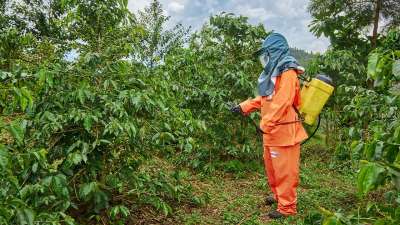
Chapter 1. Introduction
Introduces responsible pesticide handling to protect farmers, communities, and the environment

Chapter 2. Pictograms for Protection
Explains label symbols and toxicity classifications to guide safe product use.
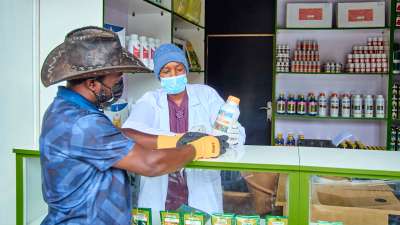
Chapter 3. Understanding the Hazards and Protecting Yourself
Describes exposure risks and proper use of personal protective equipment.
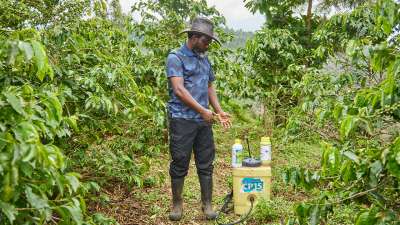
Chapter 4. Precautions When Mixing and Spraying
Provides safe mixing, spraying, hygiene, and equipment handling practices
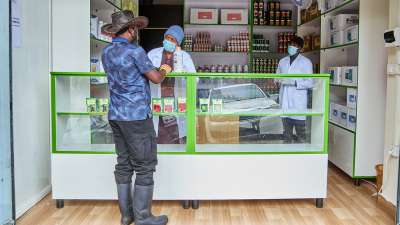
Chapter 5. Purchasing, Transporting, Storing, and Disposing of Pesticides
Explains safe procurement, storage, transport, and proper container disposal procedures.