Topic 5: Use of Cover Crops
Video
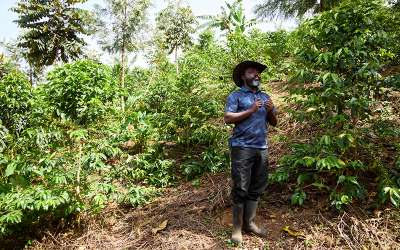
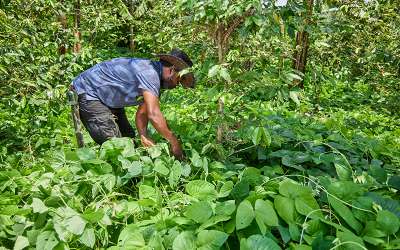
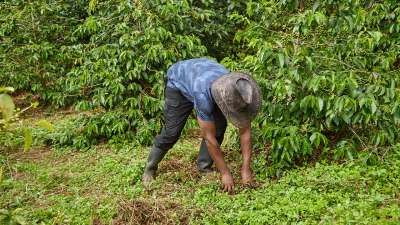
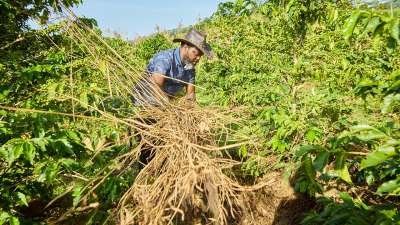
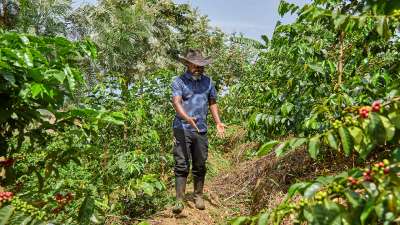
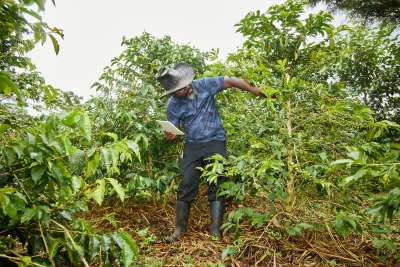
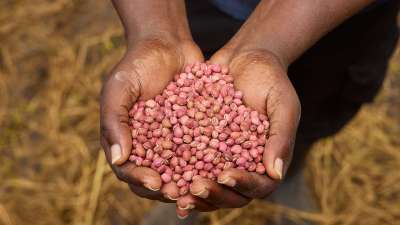
Cover crops are plants grown primarily to protect and improve the soil rather than for harvest. In coffee farms, they play an important role in enhancing soil fertility, reducing erosion, suppressing weeds, conserving moisture, and increasing biodiversity. Leguminous cover crops naturally improve soil fertility by fixing nitrogen, while their root systems help stabilize soil and prevent erosion. By shading the ground, cover crops reduce weed growth and lower labor requirements. They also protect the soil surface, helping retain moisture during dry periods and creating a healthier environment for beneficial organisms. Overall, cover crops are a cost-effective practice that supports long-term productivity and sustainability in coffee farming.
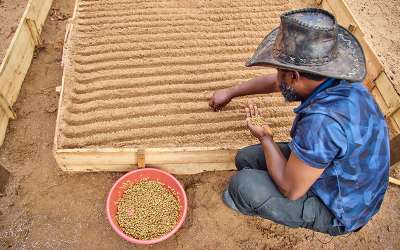
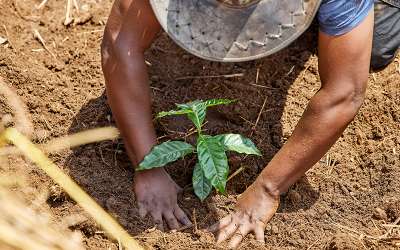
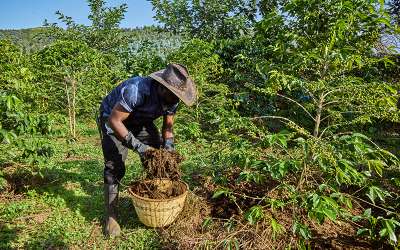
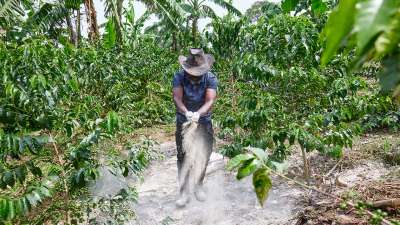
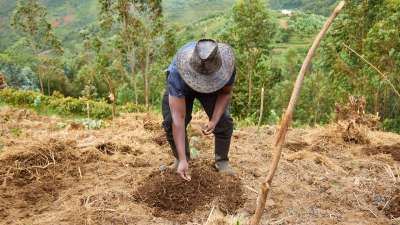
Cover crops should be established at the beginning of the rainy season and during the early stages of coffee plantation development. They can be introduced through light land preparation, broadcasting seeds, planting in rows between coffee lines, or using perennial ground covers beneath trees. Proper management includes regular pruning to prevent excessive shading, leaving slashed material as mulch, and rotating species to maintain soil health and reduce pest buildup.
Audios
Chapter 1. Introduction and Definition
Defines cover crops and explains their role in improving soil health and sustainability in coffee...

Chapter 2. Benefits of Cover Crops
Highlights nitrogen fixation, erosion control, weed suppression, moisture conservation, and biodi...
Chapter 3. Planting and Managing Cover Crops
Explains correct planting timing, species selection, and establishment techniques for effective s...

Chapter 4. Cover Crop Management Practices
Describes pruning, slashing, rotation, and incorporation methods to maintain balanced growth and...